Pool hall software comparison
Generic POS vs Pool Hall Software
A generic retail transaction usually moves from products to checkout. A pool hall operation moves through tables, time, players, guests, food and drink, tabs, passes, split or group checkout, and reporting.
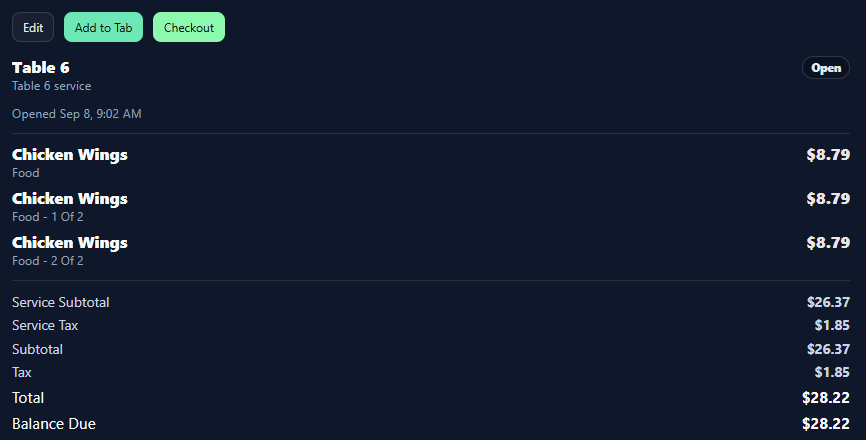
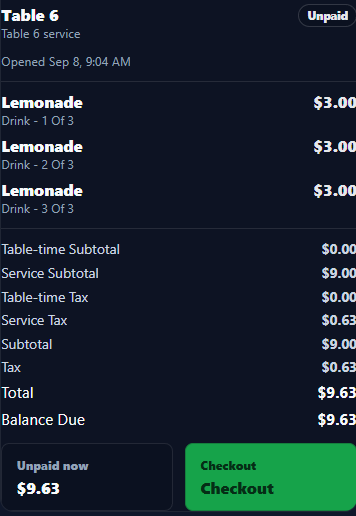
Structural difference
Pool halls need software that understands the room before the receipt.
Many generic systems can be useful in broad retail settings. The question for pool hall owners is whether the system naturally supports the full operating path from arrival through table time, service, checkout, and reporting.
DimensionGeneric retail POSPool hall software
Core transactionTypically starts with products and a checkout flow.Starts with tables, time, players, guests, service, and open balances.
Table stateTypically requires a separate workflow, integration, or manual tracking.Built around active, available, and checkout-ready table status.
Table-time billingOften handled outside the core register flow.Designed to keep table time connected to the customer or group balance.
Tabs and service itemsUsually modeled as ordinary retail items or open checks.Connects food, drink, table context, and checkout detail in one workflow.
Waitlist and seatingTypically handled separately from checkout and table state.Can connect waitlist activity to table-ready operating workflows.
ReportingOften emphasizes product sales and payments.Adds pool-hall context such as table utilization, revenue mix, activity, and exceptions.
Evaluate the fit